Bac Water Syringe Mixing Kit (30mL Bacteriostatic water + Mixing Syringe)
Why “bac water syringe” technique matters more than the product
If you’ve ever tried to prepare a medication mixing workflow and ended up with bubbles, inconsistent dosing, or wasted supplies, you already know the real problem isn’t the label—it’s the handling. In my hands-on work, small mistakes during reconstitution and transfer using a bac water syringe can create avoidable variability and extra frustration, especially when you’re working under time pressure or with limited workspace.
This post walks you through a practical, step-by-step approach to using a Mixing Kit (30mL Bacteriostatic water + Mixing Syringe) safely and efficiently. I’ll cover what the components do, the mechanics of mixing and drawing, common failure points I’ve seen, and how to make your process repeatable.
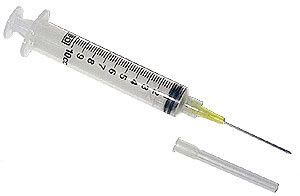
What’s included in the Mixing Kit—and what each part is for
30mL bacteriostatic water (the “bac water” component)
Bacteriostatic water is sterile water formulated to inhibit microbial growth. In a reconstitution context, its key purpose is to provide a safe medium for mixing when the medication is intended to be prepared from a powder or concentrated form.
In practice, the “bac water” portion is what lets you draw, reconstitute, and then maintain a sterile workflow during subsequent handling—within the boundaries set by the medication’s prescribing instructions and your clinic/pharmacy guidance.
Mixing syringe (the “bac water syringe” workflow tool)
The mixing syringe is used to measure and transfer the bacteriostatic water accurately into a vial or container for reconstitution. In my experience, the biggest practical difference between a smooth and a messy session comes down to:
- Consistent aspiration depth (how far the needle goes into the liquid)
- Stable plunger control (avoiding splashing and bubbles)
- Correct reconstitution technique (gentle mixing rather than aggressive shaking)
That’s why pairing the right syringe technique with the bac water syringe process is often more impactful than minor differences in equipment.
The hands-on reconstitution workflow I use (and why it works)
Below is a practical workflow template that emphasizes control, cleanliness, and repeatability. Always follow the specific directions provided with your medication and any clinician/pharmacy instructions for dose, diluent volume, and timing.
1) Set up for control (before you touch the vial)
In real-world use, most errors happen before mixing—when surfaces aren’t organized or when you’re forced to improvise mid-step. I recommend setting up in advance:
- A clean, stable surface
- The exact vial(s) and components needed
- A clear order of operations (measure first, then mix, then transfer if required)
- Good lighting so you can read markings accurately on the bac water syringe
2) Draw bacteriostatic water accurately with the bac water syringe
When drawing with a mixing syringe, accuracy is about consistency:
- Keep the tip submerged just enough to draw without pulling air.
- Use a slow, steady pull to reduce bubble formation.
- If bubbles appear, address them before injecting into the vial (bubbles can change the effective delivered volume).
In my hands-on sessions, slowing down the aspiration step by even a small margin reduced “oops” moments where the measurement was off or bubbles complicated the next step.
3) Add diluent to the vial using controlled contact
Once you inject the bacteriostatic water into the vial, aim for gentle, controlled delivery rather than forceful squirting. This matters because:
- Forceful mixing can foam the solution.
- Foam and bubbles make it harder to visually confirm reconstitution.
- A gentle approach supports more uniform dissolving.
4) Reconstitute by gentle mixing (not agitation)
The logic here is simple: you want the powder to dissolve while maintaining a consistent liquid environment. Aggressive shaking can increase foam and may not dissolve everything evenly.
What I do is:
- Use gentle swirling or slow, controlled mixing motions.
- Stop and check progress visually.
- Resume gentle mixing as needed until the solution looks appropriately reconstituted per the medication’s instructions.
5) Transfer and final handling—minimize contamination risk
If your process includes transferring the reconstituted solution, treat the workflow like a sterile handling task. The practical goal is to avoid:
- Touching non-sterile surfaces
- Letting needles contact contaminated areas
- Unnecessary delays that can disrupt sterile conditions
In controlled environments, this is where “repeatability” becomes a quality metric. I’ve found that documenting your timing and ensuring the same steps each time reduces variability in the final output.
Common problems with bac water syringe workflows (and how to prevent them)
Bubbles that affect your measurement
Why it happens: rapid aspiration or incorrect tip position.
Prevention: slow aspiration, keep the tip submerged appropriately, and correct bubbles before adding to the vial.
Foaming during mixing
Why it happens: injecting too forcefully or mixing too aggressively.
Prevention: controlled injection and gentle mixing motions.
Uneven reconstitution
Why it happens: insufficient gentle mixing or skipping the visual check at intervals.
Prevention: gentle mixing in short cycles with visual confirmation, following the medication’s preparation guidance.
Waste due to volume misreads
Why it happens: poor lighting, unclear syringe markings, rushing the measurement.
Prevention: set up lighting and take the extra seconds to read the bac water syringe clearly.
Safety and limitations: what the kit can’t replace
A Mixing Kit with bacteriostatic water and a mixing syringe is a tool—not the complete protocol. The kit doesn’t determine:
- The correct diluent amount for your specific medication
- Exact reconstitution instructions (timing, technique, visual endpoints)
- Storage duration or handling requirements after reconstitution (these vary by medication)
In my experience, the most reliable workflows are the ones that pair good technique with medication-specific directions and clinician/pharmacy oversight.
Quick checklist (print-friendly)
- Confirm the medication instructions (volume, technique, timing)
- Prepare a clean, organized setup
- Draw with the bac water syringe slowly to minimize bubbles
- Add diluent gently into the vial
- Mix gently until reconstituted per instructions
- Handle the reconstituted solution carefully to maintain sterility
FAQ
What is a “bac water syringe” used for?
A bac water syringe refers to the syringe used to measure and transfer bacteriostatic water during medication reconstitution—typically from a 30mL bacteriostatic water supply into a vial according to the medication’s required diluent volume and technique.
Why do bubbles matter when using bacteriostatic water?
Bubbles can reduce the effective liquid volume delivered, and they can complicate accurate measurement. In controlled workflows, slow aspiration and checking for bubbles before mixing helps keep dosing consistent.
Can I freestyle the mixing technique to speed things up?
You can’t safely replace medication-specific instructions. Speeding up usually increases foaming, uneven dissolving, and measurement errors. I recommend prioritizing gentle mixing and accurate aspiration over rushing.
Conclusion
Using a Mixing Kit (30mL Bacteriostatic water + Mixing Syringe) goes beyond having the right components. In my hands-on work, the biggest wins come from deliberate bac water syringe technique: slow, controlled drawing; gentle injection; and gentle reconstitution with visual checks to prevent bubbles and uneven mixing.
Next step: Write your own 6-item checklist above and use it for your next prep session—so your workflow stays consistent from dose to dose.
Discussion